Need help choosing an elevator or planning modernization? Talk to a Kone people-flow advisor today.
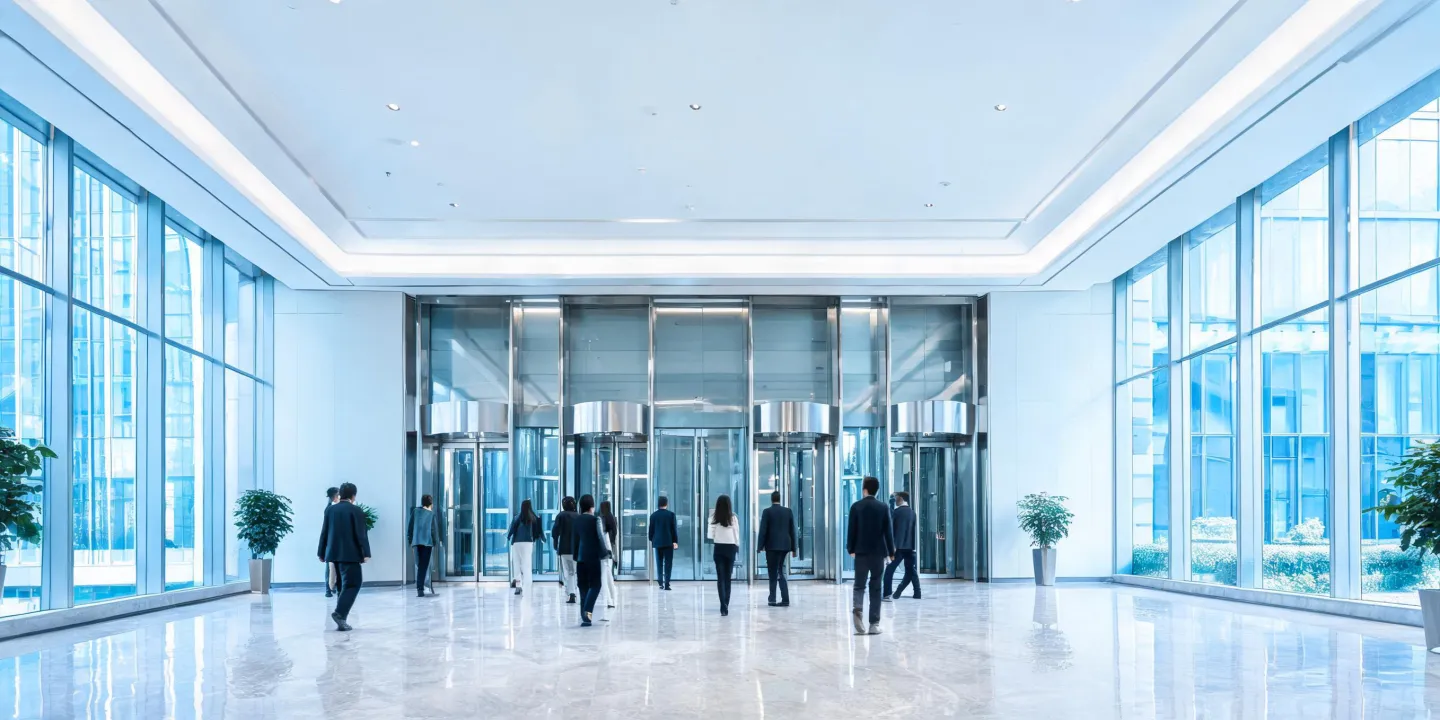
Modern office lobby with Kone elevator bank and glass facades

Kone Elevator & Escalator Solutions for Modern Buildings

Friendly guidance for smoother people flow — from machine-room-less elevators to eco-efficient escalators that keep lobbies calm during peak hours. Advisors start with population, five-minute handling targets and shaft surveys so rated load, travel height and door clearances match how your building actually operates.

Where people move

Mobility scenarios Kone advisors plan every week

We match elevator speed, cabin size and traffic patterns to the way each building actually operates — not a one-size brochure. Typical mid-rise packages cover 630–1600 kg rated loads, 40–90 m travel and leveling within ±10 mm after adjustment, with fire resistance rating and rescue access checked before equipment is frozen.

Office Towers

Destination-control ready banks that cut morning wait times when floors fill within minutes. Many towers target 12–15% five-minute handling with average waits under 30 seconds, plus a separate goods lift so fit-out freight does not steal passenger capacity.
Residential High-Rises

Quiet MRL elevators sized for furniture moves, strollers and late-night resident traffic. Acoustic lining and night-mode speeds reduce vibration complaints; cabin depths stay furniture-friendly even when roof plant space is limited.

Retail & Malls

Escalators and autowalks that keep shoppers circulating without congested landings. Incline ranges of 18–35° and abrasion-resistant landing plates are sized against Saturday footfall so one path stays open during staged replacement.

Hospitals & Transit

Bed elevators and heavy-duty units planned around stretcher clearances and shift changes. Shaft fire resistance rating, redundant cars on critical floors and hygiene-friendly finishes are locked before clinical calendars freeze shutdown windows.

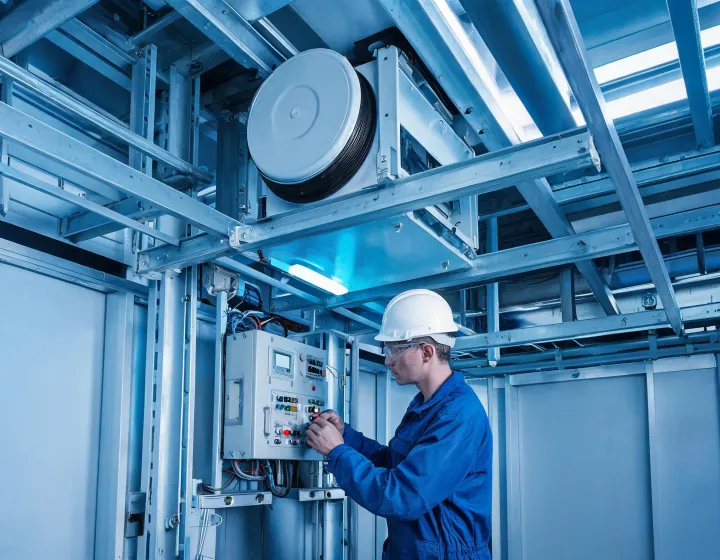
Kone EcoDisc elevator machine room less drive unit in shaft

Why building teams choose Kone

Connected solutions that feel human in daily use

  • EcoDisc traction efficiency Compact gearless drives reduce shaft headroom while supporting mid-rise travel of 40–90 m and rated loads of 630–1600 kg. Regenerative modes cut idle draw; they do not erase traction heat on continuous duty above the design traffic model.
  • Predictive maintenance insight Connected monitoring flags door cycles, reopen spikes and leveling drift beyond ±10 mm before passengers notice rough stops — so technicians arrive with parts instead of exploratory visits.
  • Cabin comfort details Lighting above 100 lux, continuous handrails and acoustic lining improve perceived calm; dimensional stability of wall panels is checked so finishes stay flat after freight weeks.
  • Safety & compliance stack ISO 9001 and ISO 14001 programs support documented quality and environmental controls; shaft fire resistance rating and rescue access are reviewed against local code before cutover.
  • Service coverage you can schedule Local technicians coordinate shutdown windows around tenant moves. Service life expectancy of door operators and rollers is tracked so parts arrive before multi-day downtime.
  • Honest modernization limits In-shaft renewals reuse rails when dimensional stability checks pass, but cannot always raise rated load or speed if pit depth and hoistway width stay fixed — those ceilings are documented before capital approval.

Voices from the lobby

Facility teams share what smoother flow feels like

1910 Founded
60+ Countries served
60,000+ Professionals
1.5M+ Installations

Common questions

Straight answers before you shortlist equipment

When does a machine-room-less elevator make sense?

MRL designs suit mid-rise residential and office towers where roof plant space is limited. Advisors compare headroom, rated load (typically 630–1600 kg) and rescue access before confirming shaft geometry.

How do you size elevators for morning peak traffic?

We model five-minute handling capacity against population, floor count and arrival patterns. Many office projects target 12–15% five-minute handling with average waiting times under 30 seconds.

Can existing shafts support modernization?

Often yes when dimensional stability of guide rails passes and pit depth supports new buffers. Surveys also check electrical capacity and load bearing capacity of pit slabs. Limitation: modernization rarely raises cabin size if hoistway width stays fixed — peak handling gains stay incremental.

What spare parts support is available?

Service agreements can include door operators, buttons, rollers and drive components with stocking tied to callback history. Critical parts planning reduces multi-day downtime when a car is taken offline during lease commencements.

Do escalators fit into renovation schedules?

Yes when incline length, truss depth and landing plates are surveyed early. Phased replacement keeps at least one travel path open during retail trading hours.

How does connected monitoring help facility teams?

Remote diagnostics highlight door reopen spikes and leveling drift so technicians arrive with the right tools instead of exploratory visits that steal lobby availability.

Modernize in place or expand the bank?

In-shaft modernization cuts structural disruption when dimensional stability and fire resistance rating upgrades fit the existing envelope. New shafts unlock higher loads and destination layouts but require load bearing capacity rechecks on adjacent slabs — choose by traffic data, not brochure aesthetics.

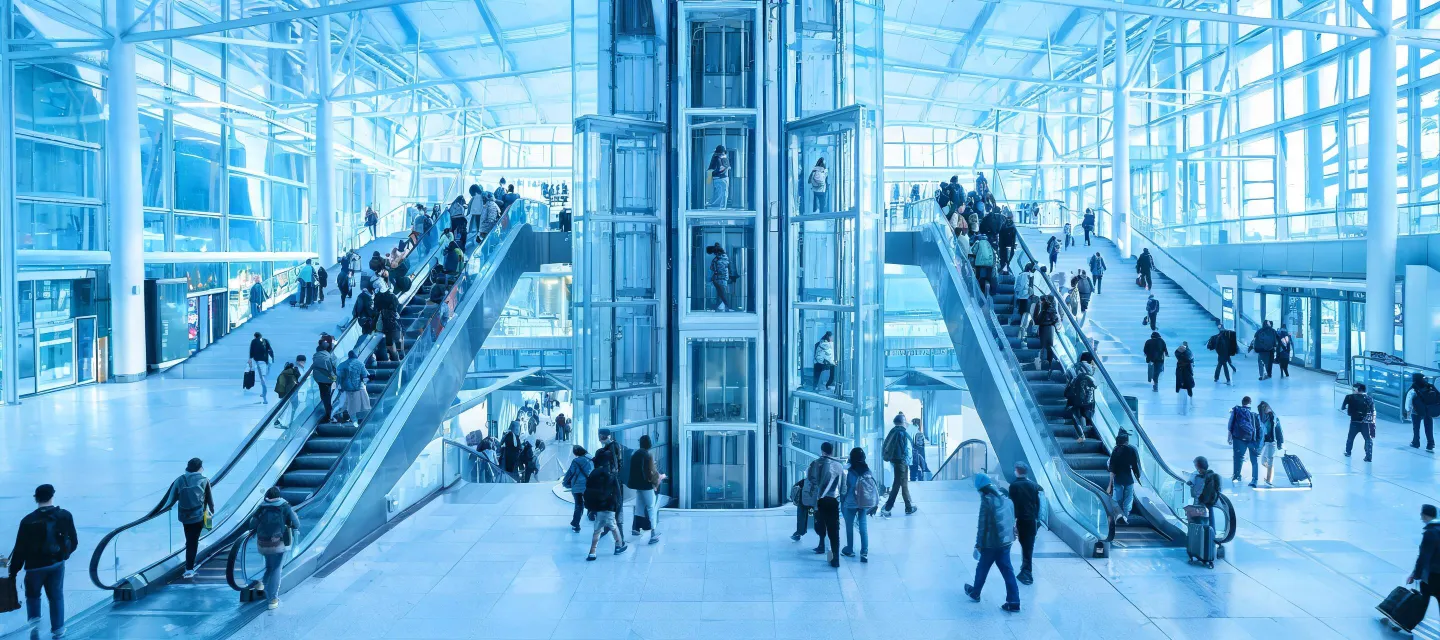
Busy transit hall with escalators and wayfinding

Ready to plan calmer, clearer people flow?

Share your floors, daily traffic and timeline — a Kone advisor will outline elevators, escalators or modernization options that fit how your building really moves.