Human-first advice
We translate traffic studies into plain language so HOAs and hospital boards can decide with confidence.
About Kone
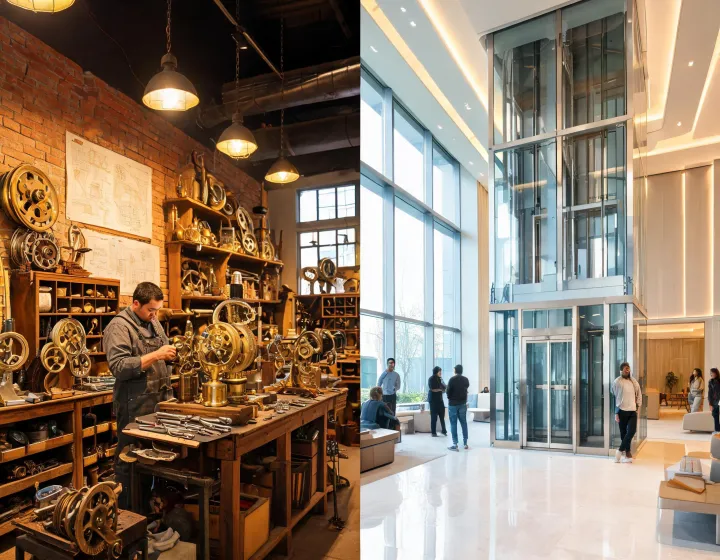
For more than a century we have helped owners, architects and facility teams turn elevator shafts into calm daily journeys. Founded in 1910 and now supporting 60+ countries with roughly 60,000 professionals and 1.5M+ installations, the brand began with practical engineering and grew into a global advisor network that still starts every project by listening to how people actually move — population, peak windows and rescue access before finish boards.
Early Kone teams learned that a smooth landing mattered as much as rated load. That mindset still shapes how advisors talk about EcoDisc drives, cabin acoustics and rescue access today. When boards ask whether modernization is worth the capital cycle, we answer with callback history, energy baselines, leveling accuracy (target ±10 mm) and passenger interviews — not slogans. ISO 9001 and ISO 14001 programs keep quality and environmental controls auditable on major projects.
“A great elevator disappears into the day. People remember the lobby only when something feels late, noisy or unsafe — our job is to keep those moments rare.”
Community impact shows up in apprenticeship programs, local technician coverage and transparent communication during shutdowns. Schools, clinics and residential towers rely on elevators that reopen on schedule; we treat those calendars as seriously as the equipment itself. Service life expectancy planning also covers door operators, rollers and controllers so capital cycles are scheduled before callbacks spike — typically reviewing wear trends every 12–24 months on high-duty banks.
We also name trade-offs early: regenerative drives and standby modes can cut idle energy, yet they do not erase traffic bottlenecks if car count stays short. In-shaft modernization preserves dimensional stability of existing rails when surveys pass, but pit depth and hoistway width still cap rated load gains. Prefabricated MRL packages tighten factory quality control; traditional on-site rebuilds keep more design flexibility when slabs cannot accept new shaft loads without rework.
What we stand for
We translate traffic studies into plain language so HOAs and hospital boards can decide with confidence.
ISO 9001 and OHSAS-aligned practices keep inspections, rescue drills, fire resistance rating documentation and component traceability auditable for AHJs and insurers.
Regenerative options and standby modes help buildings cut idle energy without sacrificing ride comfort — always paired with traffic numbers so green premiums are not spent without handling gains.
Service teams schedule around tenant moves and share parts ETAs before a car is taken out of service, with alternate travel routes posted before the lobby fills.
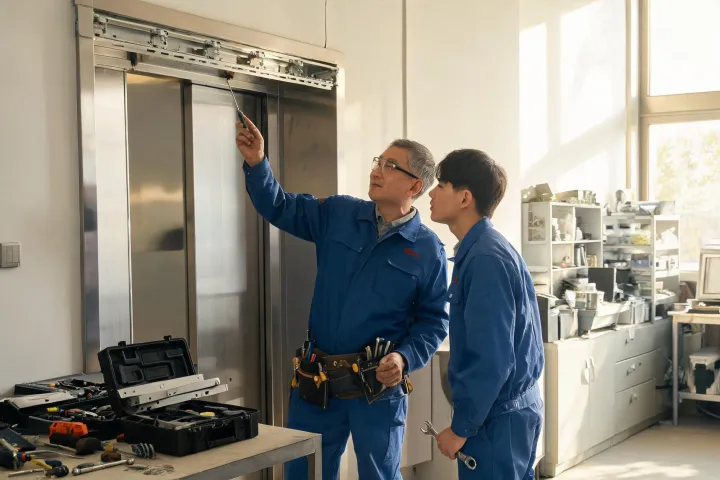
Technician training covers door force limits, emergency lowering and connected diagnostics so callbacks resolve on the first visit more often. Partnering with local vocational programs brings new talent into building services while experienced mentors pass on the quiet craft of leveling and ride quality. Impact resistance of cabin walls, abrasion resistance of landing plates and STC-minded acoustic packages are part of the curriculum — finishes that look premium but fail overnight cleaning windows are rejected before lookbooks lock.
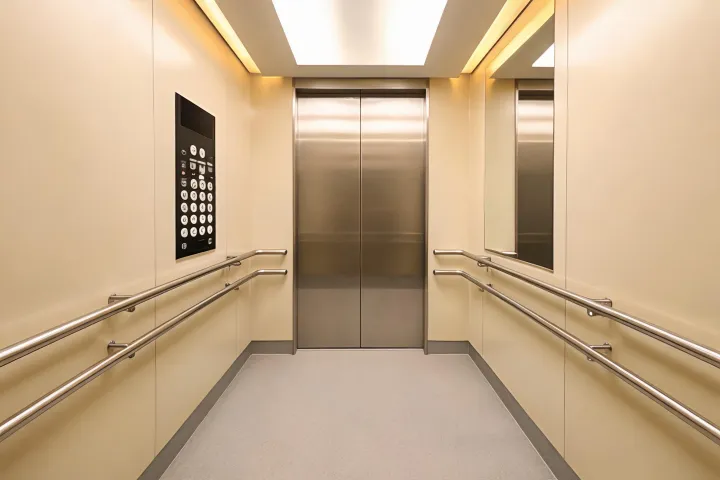
Advisors discuss cabin dimensions for stretchers, audible signals and door dwell times with accessibility consultants early. Small specification choices — mirror placement, handrail continuity, lighting levels above 100 lux — change whether passengers feel welcomed or hurried.
Share your building type, elevator age, rated-load needs and the passenger experience you want to improve. We will respond with practical options — including when in-shaft modernization cannot raise speed or cabin size — and questions to ask any bid package.